H1Tag
h1#Flipaclip for Schools: Unlocking Creativity in the Classroom
Meta Title: Flipaclip for Schools: A Guide to Inspire Creativity and Learning
Meta Description: Explore how Flipaclip enhances education by fostering creativity in schools. Learn how educators can integrate this animation app into classrooms, its benefits, and FAQs.
Introduction
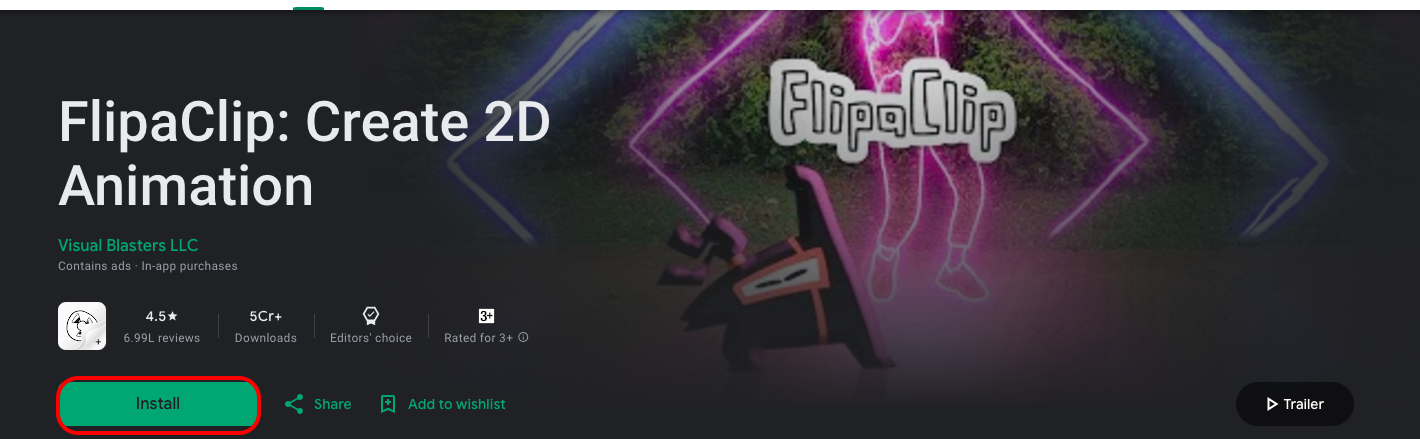
Modern education calls for innovative tools that engage students while enhancing their creative skills. Animation, a medium that blends art and technology, has emerged as a valuable tool in classrooms. Flipaclip, a user-friendly animation app, is not just for artists or hobbyists; it’s a game-changer in schools.
Flipaclip’s simple interface and powerful tools make it ideal for integrating into educational settings, allowing students to express their ideas visually and develop storytelling skills. This guide explores the role of Flipaclip in schools, its benefits, setup process, and practical applications.
Why Use Flipaclip in Schools?
Flipaclip fosters creativity, collaboration, and technical skills, aligning with modern education's focus on STEAM (Science, Technology, Engineering, Arts, Mathematics). Here’s why schools are adopting it:
Encourages Creativity:
Students can create animations, bringing abstract ideas to life.
Enhances Engagement:
Visual projects captivate students, making learning enjoyable.
Builds Technical Skills:
Working with Flipaclip introduces students to animation concepts, graphic design, and digital tools.
Improves Storytelling:
Animation encourages narrative thinking and the development of clear communication skills.
Fosters Collaboration:
Group projects using Flipaclip promote teamwork and problem-solving.
h2#Setting Up Flipaclip for Schools
Option 1: Individual Devices (Smartphones or Tablets)
Most students are familiar with smartphones and tablets, making it easy to integrate Flipaclip into lessons.
Steps:
Ensure all devices meet Flipaclip’s system requirements.
Download Flipaclip from app stores (Google Play or Apple App Store).
Create individual accounts for students to save projects.
Option 2: Classroom PCs or Laptops
For schools using desktops or laptops, an Android emulator may be required.
Steps:
Install an emulator like BlueStacks, NoxPlayer, or MEmu Play.
Download Flipaclip within the emulator.
Configure settings for optimal classroom use.
Option 3: Shared Tablets or Interactive Boards
Schools equipped with shared tablets or interactive whiteboards can use Flipaclip for group projects.
Steps:
Install Flipaclip on shared devices.
Assign groups and manage project timelines.
Use screen-sharing tools to display work on interactive boards.
Practical Applications of Flipaclip in Schools
Art Classes
Teach principles of animation, color theory, and character design through hands-on projects.
Storytelling and Literature
Students can animate stories, visualize literary themes, or create graphic novels.
Science Projects
Use Flipaclip to demonstrate scientific concepts like cell division, the water cycle, or physics phenomena.
History Lessons
Animate historical events or create visual timelines for better understanding.
Language Learning
Combine visuals with language lessons to teach vocabulary, grammar, or cultural narratives.
Social Studies
Students can animate social issues or campaigns, fostering awareness and empathy.
h2#Benefits of Flipaclip for Schools
1. Supports Differentiated Learning
Flipaclip caters to diverse learning styles:
Visual learners benefit from imagery.
Kinesthetic learners engage in hands-on creation.
Auditory learners integrate sound effects or narration.
2. Boosts Student Confidence
Completing animation projects gives students a sense of achievement and pride in their work.
3. Introduces Career Skills
Flipaclip familiarizes students with digital tools used in industries like animation, advertising, and filmmaking.
4. Encourages Critical Thinking
Animation requires planning, sequencing, and problem-solving, sharpening students’ analytical skills.
5. Promotes Technological Proficiency
Flipaclip enhances students’ comfort with digital tools, preparing them for a tech-driven world.
Tips for Educators Using Flipaclip
Start with Basics
Introduce Flipaclip’s interface and tools in a simple demo before diving into projects.
Integrate with Curriculum
Align animation projects with current lessons or themes to reinforce learning objectives.
Encourage Teamwork
Assign collaborative projects to foster teamwork and idea exchange.
Set Clear Guidelines
Provide rubrics or checklists to help students manage their time and meet project goals.
Celebrate Creativity
Showcase student animations in class, during school events, or on social media.
Challenges and Solutions
Challenge: Limited Access to Devices
Solution: Create a rotation schedule or use shared devices for group projects.
Challenge: Steep Learning Curve for Some Students
Solution: Offer tutorials, pair tech-savvy students with beginners, and start with simple tasks.
Challenge: Time Constraints in Class
Solution: Break projects into smaller phases and allow homework time for animation tasks.
h2#FAQs About Flipaclip for Schools
Q1: Is Flipaclip free for schools?
Yes, Flipaclip is free, but premium features are available via in-app purchases. Schools may consider bulk purchases for advanced tools.
Q2: What age group is Flipaclip suitable for?
Flipaclip is ideal for students aged 8 and above, with tailored projects for different age groups.
Q3: Can Flipaclip be used on PCs in schools?
Yes, Flipaclip can run on PCs using Android emulators or via systems like Chrome OS Flex or Android-x86.
Q4: Does Flipaclip require the internet?
No, Flipaclip works offline. However, features like cloud sync and sound effects may need an internet connection.
Q5: Can students share Flipaclip projects?
Yes, animations can be exported as MP4s or GIFs for sharing via email, cloud storage, or classroom platforms.
Q6: Is Flipaclip suitable for STEAM education?
Absolutely. Flipaclip integrates technology and art, fitting seamlessly into STEAM initiatives.
Q7: Do teachers need animation experience to use Flipaclip?
No, Flipaclip’s intuitive interface makes it accessible for beginners. Teachers can also find tutorials online.
Q8: Are there privacy concerns with using Flipaclip in schools?
Flipaclip respects user privacy. Schools should ensure compliance with local data protection laws when setting up accounts.
Q9: Can Flipaclip projects be displayed on interactive boards?
Yes, completed animations or ongoing projects can be shared on interactive boards for classroom discussions.
Q10: Are there alternatives to Flipaclip for schools?
Yes, alternatives include Pencil2D, Krita, and Canva for animation-based projects.
Conclusion
Flipaclip is more than just an animation app; it’s a versatile educational tool that brings creativity, engagement, and skill development into classrooms. From art and storytelling to science and history, Flipaclip projects transform traditional lessons into interactive experiences.
By integrating Flipaclip into your school, you empower students to explore their creative potential, enhance their technical skills, and build a strong foundation for the future. Whether you’re an educator or a school administrator, Flipaclip is an investment in modern, engaging education.